Media Home
 UN Web TV
 UN Audiovisual Library
 UN Photo
ZIMBABWE / FOOD SECURITY
Download
There is no media available to download.
Share
ZIMBABWE / FOOD SECURITY
TRT: 1.07
SOURCE: WORLD FOOD PROGRAM (WFP)
RESTRICTIONS: NONE
LANGUAGE: SHONA / NATS
DATELINE JUNE 2012, BUHERA DISTRICT, MANICALAND PROVINCE, ZIMBABWE
1. Med shot, feet of farmer while she goes over dried maize
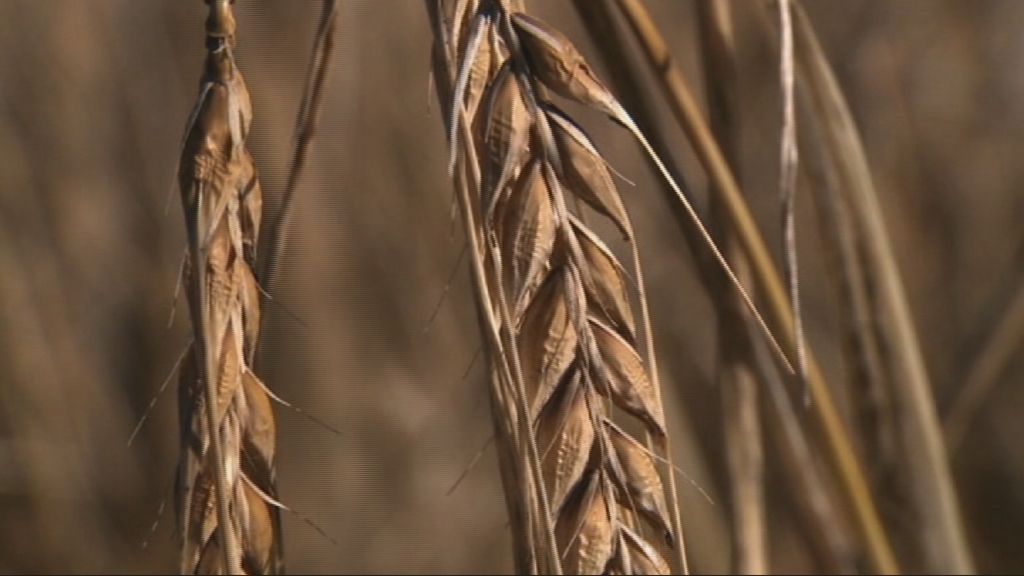
2. Pan right, view of dried stalks
3. Wide shot, farmer looking at dried stalks
4. Tilt up, small dried corn ears
5. Close up, female farmer looking at a small corn ear
6. SOUNDBITE (Shona) Unidentified farmer:
“This year, most of the cobs are this size, but had it rained, it would have grown to this size. This is because of the poor rainfall and the heat otherwise the cobs could have been bigger and the plant itself would have been this high, due to the low rainfall the plant size was just as you can see.”
7. Pan right, dried stalks
8. Med shot, children walking around dried stalks
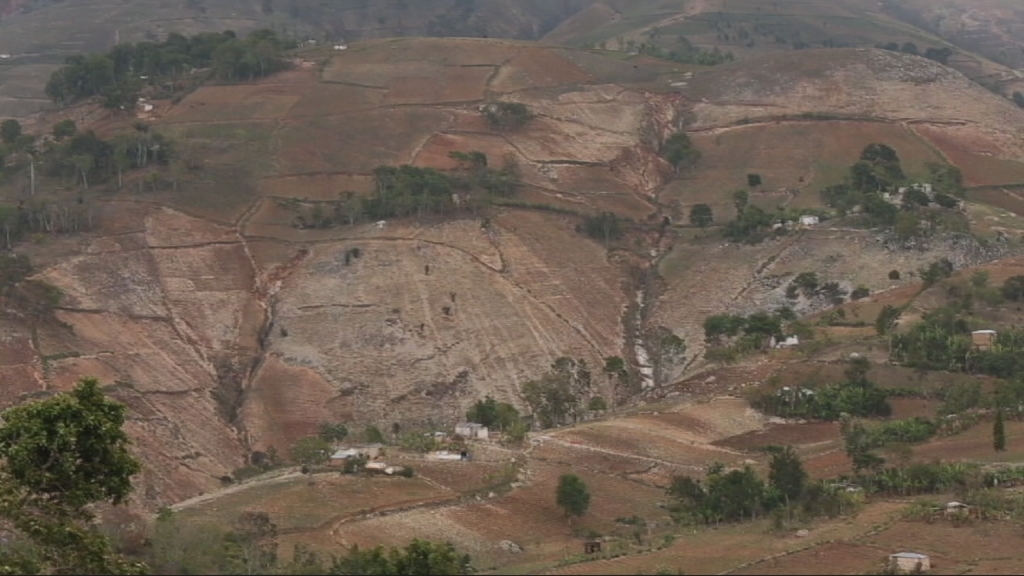
9. Tilt up, from dried soil to dried stalks and home in the background
10. Med shot, cow walking over dried stalks
11. Wide shot, farm walking on dried farm
Irregular rains, poor agricultural practices and ongoing economic challenges have pushed Zimbabwe into an increasingly critical food security situation, the United Nations food relief agency warned this week (27 August).
According to the World Food Program (WFP), the past several weeks had provided signs of growing distress across the African country with high food prices, empty silos and granaries, and a reduced cereal harvest, aggravating the country’s food security outlook.
“Late and erratic rains, poor agricultural practices, constrained access to inputs, and a reduction in planted area have all contributed to reducing the national cereal harvest by 33 per cent this year,” WFP said in a news release on its Zimbabwe Vulnerability Assessment. It said a lack of diversified livelihoods and the rising cost of living were combining to create a perfect storm of income and food insecurity.
WFP said more than, over 1.6 million Zimbabweans will be in need of food assistance during the peak hunger period spanning January to March 2013.
The assessment is an annual study conducted by the Government of Zimbabwe in collaboration with UN agencies and non-governmental organizations’ in order to estimate national food insecurity levels.
In response to the deteriorating food situation, the UN agency announced it was scaling up operations in conjunction with the Government and other stakeholders to provide a combination of food distribution and cash transfers to those in need.
The WFP further noted that it would require approximately $119 million to complete its operations in Zimbabwe until the end of March 2013, though it said that almost three-quarters of the funding has not yet been accounted for.
The video shown here was shot in June, showing that at that time conditions were already very poor.