Media Home
 UN Web TV
 UN Audiovisual Library
 UN Photo
UN / RULE OF LAW
Download
There is no media available to download.
Share
STORY: UN / RULE OF LAW
TRT: 3.16
SOURCE: UNTV
RESTRICTIONS: NONE
LANGUAGE: ENGLISH / FRENCH / NATS
DATELINE: 17 OCTOBER 2012, NEW YORK
FILE – 2011, UNITED NATIONS HEADQUARTERS, NEW YORK CITY
1. Wide shot, exterior United Nations Headquarters
17 OCTOBER 2012, NEW YORK
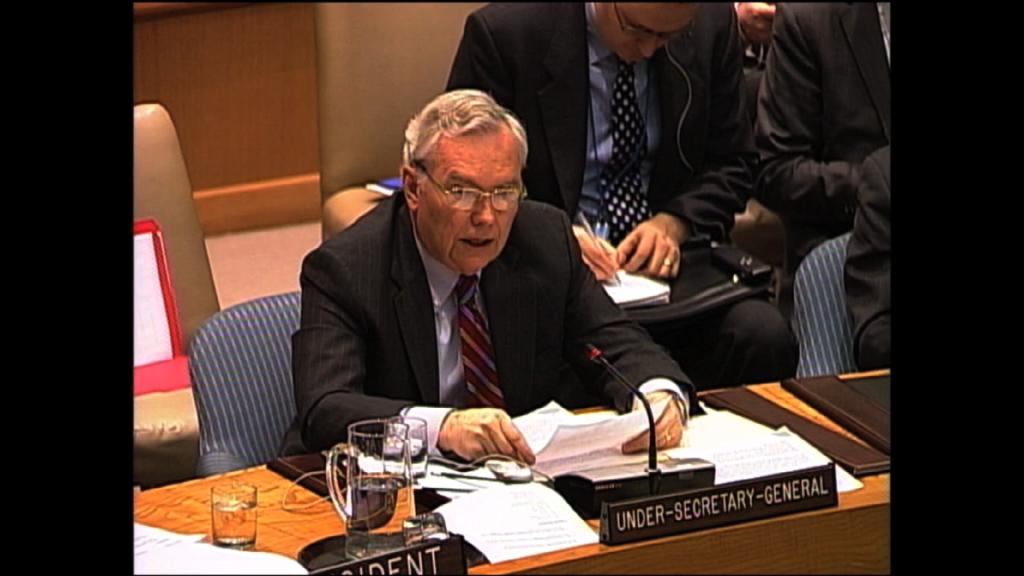
2. Wide shot, Security Council meeting
3. Cutaway, delegates
4. SOUNDBITE (English) Ban Ki-moon, Secretary-General, United Nations:
“Both (the Security Council and ICC) should explore the many ways in which they can complement and leverage each other's work, from prevention to enforcement. In this regard, the Council, where it has referred a situation to the Prosecutor, can greatly assist the Court by acting to secure the necessary level of cooperation from Member States.”
5. Cutaway, delegates
6. SOUNDBITE (English) Judge Sang-Hyun Song, President, ICC
“In dealing with the cases before them, the parties and the judges make great efforts to understand conditions on the ground, but can only take these into account in so far as they are relevant to the factual or legal issues under consideration in the proceedings. The role of a criminal court is to establish guilt or innocence in accordance with the law. It is not for a court to take a view on political or other factors extraneous to the proceedings.”
7. Cutaway, delegates
8. SOUNDBITE (English) Phakiso Mochochoko, Director, Jurisdiction, Complementarity and Cooperation Division (On Behalf of Prosecutor):
“Efforts to interfere with the independence exercise of the Office’s mandate would only serve to undermine the legitimacy and credibility of the judicial process, thus giving credence to allegations of politicization.”
9. Cutaway, delegates
10. SOUNDBITE (English) Ambassador Susan Rice, Permanent Representative of the United States to the United Nations:
"Although the United States is not a party to the Rome Statute we recognize that the ICC can be an important tool for accountability. We have actively engaged with the ICC prosecutor and registrar to consider how we can support specific prosecutions already underway and we responded positively to informal requests for assistance. We will continue working with the ICC to identify practical ways to cooperate particularly in areas such as information sharing and witness protection on a case by case basis as consistent with US policy and law.”
11. Cutaway, delegates
14. SOUNDBITE (English) Ambassador Peter Wittig, Permanent Representative of Germany to the United Nations:
“Two months ago the former ICC Chief Prosecutor in this chamber expressed his intense frustration at the fact that four arrest warrants issued in the Darfur case had not been implemented. Germany fully shares this frustration as the lack of cooperation seriously undermines the Court's credibility.”
15. Cutaway, delegates
16. SOUNDBITE (Russian) Ambassador Vitaly Churkin, Permanent Representative of the Russian Federation to the United Nations:
“The Council cannot afford to take hasty decisions that are not well funded or to manipulate Chapter 7 of the Charter. It cannot allow irresponsible actions dictated by short-sighted interests to lead to the disintegration of the entire system of international law.”
17. Wide shot, Security Council Chamber
The United Nations (UN) Security Council has a vital role to play in assisting the International Criminal Court (ICC) to ensure that war crimes and crimes against humanity around the world do not go unpunished, Secretary-General Ban Ki-moon said today (17 October).
Speaking at the start of a day-long Council debate on the role of the Hague-based ICC, an independent international body that is not part of the UN and tries those accused of genocide, crimes against humanity and war crimes, Ban said that both the Security Council and ICC “should explore the many ways in which they can complement and leverage each other's work, from prevention to enforcement”.
Any of the currently 121 States Parties to the 1998 Rome Statute which set up the ICC can ask its prosecutor to carry out an investigation, a non-State Party can accept its jurisdiction for crimes committed in its territory or by its nationals, and the Council may also refer cases to it. Its mandate is to try individuals, rather than States.
Ban said that “the Council, where it has referred a situation to the Prosecutor, can greatly assist the Court by acting to secure the necessary level of cooperation from Member States”.
In his remarks to the Council meeting, ICC President Sang-Hyun Song highlighted the intertwined nature of the two institutions: the Council with its focus on peace and the ICC with its goal to seek justice. He said that in dealing with cases before them, the court can only take those into account “in so far as they are relevant to the factual or legal issues under consideration in the proceedings”.
Sang stressed the fact that “it is not for a court to take a view on political or other factors extraneous to the proceedings”.
Speaking on behalf of ICC Prosecutor Fatou Bensouda, the Director of the court’s Jurisdiction, Complementarity and Cooperation Division, Phakiso Mochochoko, said efforts to interfere with the indepent exercise of the Office’s “mandate would only serve to undermine the legitimacy and credibility of the judicial process, thus giving credence to allegations of politicization”.
The United States (US), which is not a party to the Rome Statute that established the ICC, recognized that the Court can be an important tool for accountability.
US Ambassador Susan Rice said her country had actively engaged with the Court’s prosecutor and registrar to consider how to support specific prosecutions already underway as well as responding “positively to informal requests for assistance”.
Rice said the US would continue working with the ICC to identify practical ways to cooperate, and pointed out areas such as “information sharing and witness protection on a case by case basis as consistent with US policy and law”.
Under the Rome Statute, the Security Council may refer a situation in any country to the Court's prosecutor under Chapter VII of the UN Charter if it determines that a situation amounts to a threat to international peace and security. The Security Council first acted on this authority by referring the situation in the Darfur region of Sudan to the court in March 2005.
Recalling the former Chief Prosecutor’s frustration during his presentation to the Council at the fact that four arrest warrants issued in the Darfur case had not been implemented, German Ambassador Peter Wittig said “Germany fully shares this frustration as the lack of cooperation seriously undermines the Court's credibility”.
The Security Council’s referral of cases to the ICC extends accountability for grave international crimes for which there would otherwise be impunity. Some governments' position towards this is that Council referrals taint the ongoing investigations, causing them to be seen as politicized.
Russian Ambassador Vitaly Churkin stressed that the Council “cannot allow irresponsible actions dictated by short-sighted interests to lead to the disintegration of the entire system of international law”.