Media Home
 UN Web TV
 UN Audiovisual Library
 UN Photo
SOMALIA / HUMANITARIAN COORDINATOR
Download
There is no media available to download.
Share
STORY: SOMALIA / HUMANITARIAN COORDINATOR
TRT: 2.39
SOURCE: OCHA
RESTRICTIONS: NONE
LANGUAGE: SOMALIA / ENGLISH / NATS
DATELINE: 18 JULY 2013, KISMAYO, LOWER JUBA REGION, SOMALIA
1. Tracking shot, stacks of charcoal in the outskirts and the streets of Kismayo
2. Wide shot, UN delegation walking from the Kismayo airstrip on arrival from Mogadishu
3. Wide shot, Philippe Lazzarini and UN delegates meet with Kismayo local authorities
4. SOUND-UP (English) Philippe Lazzarini, Humanitarian Coordinator, Somalia, OCHA:
“I think you have seen our program, we will be going to visit the hospital (Kismayo General Hospital). You have seen there has been an outbreak (of polio) since this year, the numbers are now increasing. We will be looking at how to increase, enhance our ability to respond to the needs here from Kismayo for the region.”
5. Med shot, Lazzarini taking notes
6. Wide shot, meeting
7. SOUNDBITE (Somali) General Abdullahi Sheikh Ismail, Deputy President, Jubaland:
“We are happy about the visit of this delegation which you Philippe is leading. Somalia is large; it includes several administrations, including Puntland, Galmudug, Himin and Heb, Mogadishu, Jubaland and even Somaliland.”
8. Med shot, UNICEF Deputy Head of Office, Foroogh Foyouzat
9. SOUNDBITE (English) Foroogh Foyouzat, Deputy Head of Office, UNICEF:
“The top priority for us at the moment is the outbreak of polio and as long as the security allows, we will continue our operations in this area.”
10. Wide shot, Kismayo General Hospital
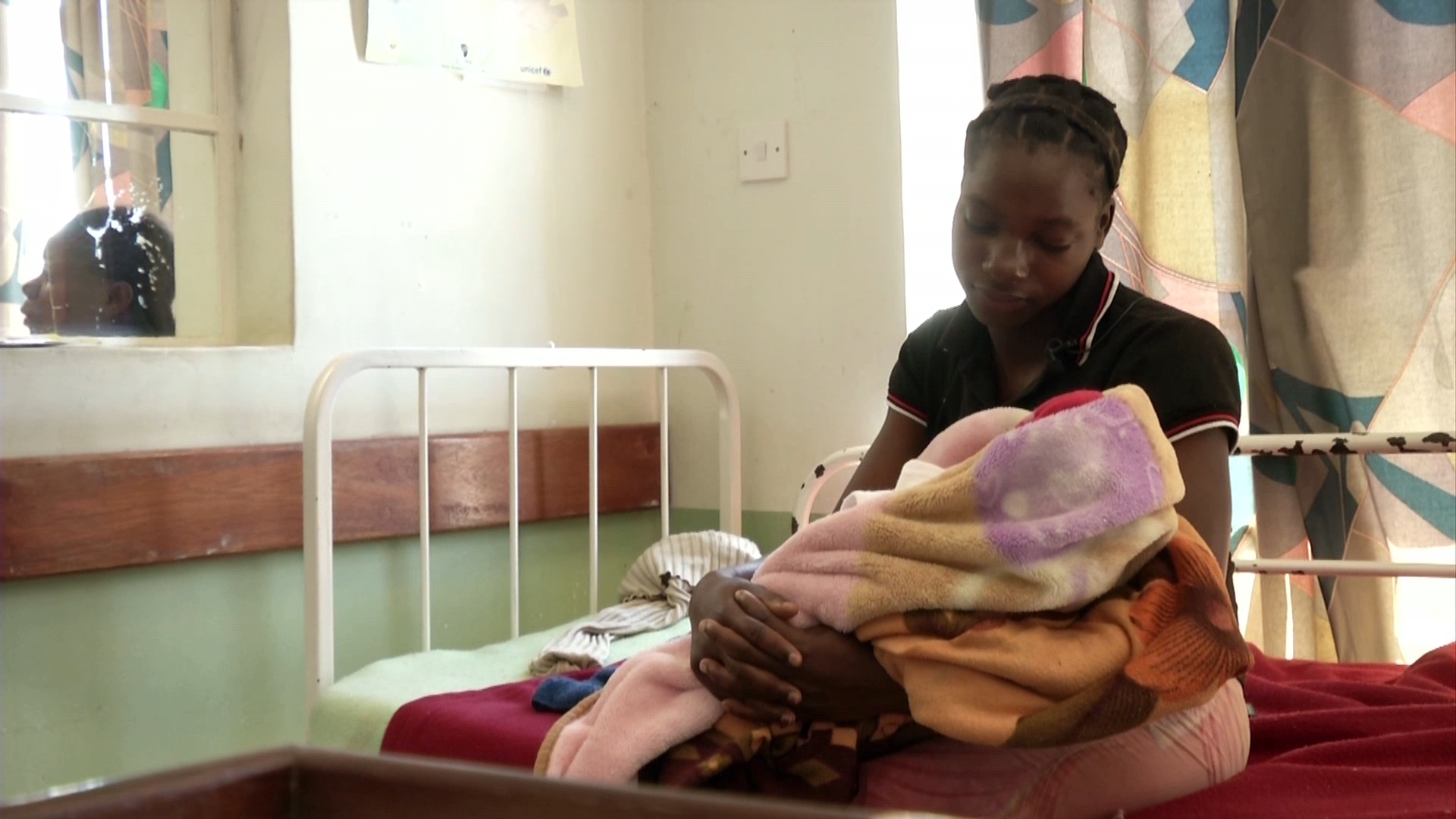
11. Wide shot, Lazzarini walking with Kismayo hospital staff inside the hospital and stops to listen to stories of the different patients wounded during fierce fighting between 29 June and 1 July 2013.
12. Various shots, Hospital personnel explains the situation of a woman wounded during the skirmishes
13. SOUNDBITE (Somalia) Nurse:
“So now she is in good condition.”
14. Various shots, patients in hospital
15. SOUNDBITE (English) Philippe Lazzarini, Humanitarian Coordinator, Somalia, OCHA:
“The needs of the people here are not different from the needs of the rest of the people in south central. As humanitarian organizations, we are trying to beef up/scale up our response in every sector; health, water, food security.”
16. Med shot, Delegation walking through the Kismayo hospital compound
Last week (18 July), the United Nations Resident and Humanitarian Coordinator, Philippe Lazzarini visited Kismayo in Somalia to assess the humanitarian situation following fierce fighting in June between warring functions.
Lazzarini held a meeting with the vice-president of Jubaland state and administrative officials and discussed humanitarian and civilian protection issues.
The local authorities raised concerns about insufficient humanitarian response in Kismayo and the surrounding areas. They said health, education, water and sanitation (WASH) were their priority needs. Lazzarini appreciated the concerns raised and promised to follow up with the relevant agencies to provide support.
At the Kismayo General Hospital, he held a meeting with representatives of aid organizations operating in Kismayo where they confirmed that priority needs were health, education and WASH.
They urged the Humanitarian Coordinator to advocate for civilian protection during conflicts.
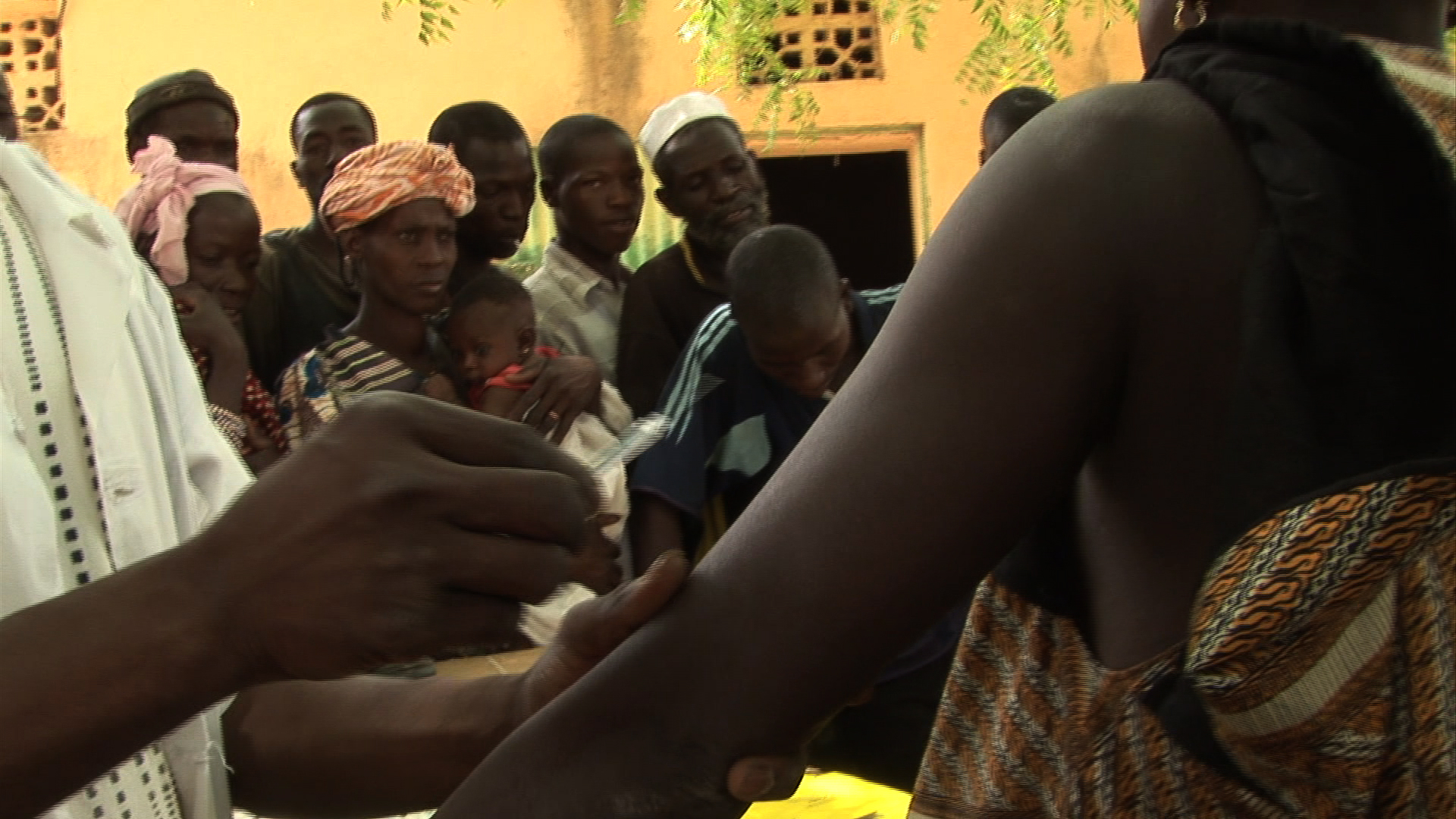
Kismayo Hospital has been experiencing a severe shortage of medicines. Lazzarini hailed the resumption of polio vaccinations in Kismayo, targeting 24,000 people of all ages that had been temporarily suspended due to fighting at the end of June.
Lazzarini called on all parties to refrain from hostilities, ensure the protection of civilians, and enable access of humanitarian agencies working to assist the most vulnerable.
The security situation in southern and central Somalia remains volatile and unpredictable. Political and clan tensions simmered in Kismayo following the contested election of the president of Jubaland state on 15 May, and developed into military confrontations in June.
The latest figures from the World Health Organization (WHO) confirm that at least 71 civilians were killed and about 300 injured over the course of the month.
Continuing insecurity had also increased displacement of civilians, limited access to health care and amplified the risk of outbreaks of cholera and other communicable diseases.
According to the UN Refugee Agency (UNHCR), about 1,600 people, including about 970 females, fled Kismayo to villages in the Lower Juba region in June. People who fled the fighting were reported to have started returning home by early July.
Humanitarian access remains challenging and logistics have emerged as a major bottleneck. Aid workers have not been able to use Kismayo port for months due to insecurity.