Media Home
 UN Web TV
 UN Audiovisual Library
 UN Photo
UNICEF / PHILIPPINES TYPHOON HAIYAN
Download
There is no media available to download.
Share
STORY: UNICEF / PHILIPPINES TYPHOON HAIYAN
TRT: 2.27
SOURCE: UNICEF / WFP
RESTRICTIONS: NONE
LANGUAGE: ENGLISH / NATS
DATELINE: 12 NOVEMBER 2013, NEW YORK CITY / FILE
FILE – WFP - 11 NOVEMBER 2013, TACLOBAN. PHILIPPINES
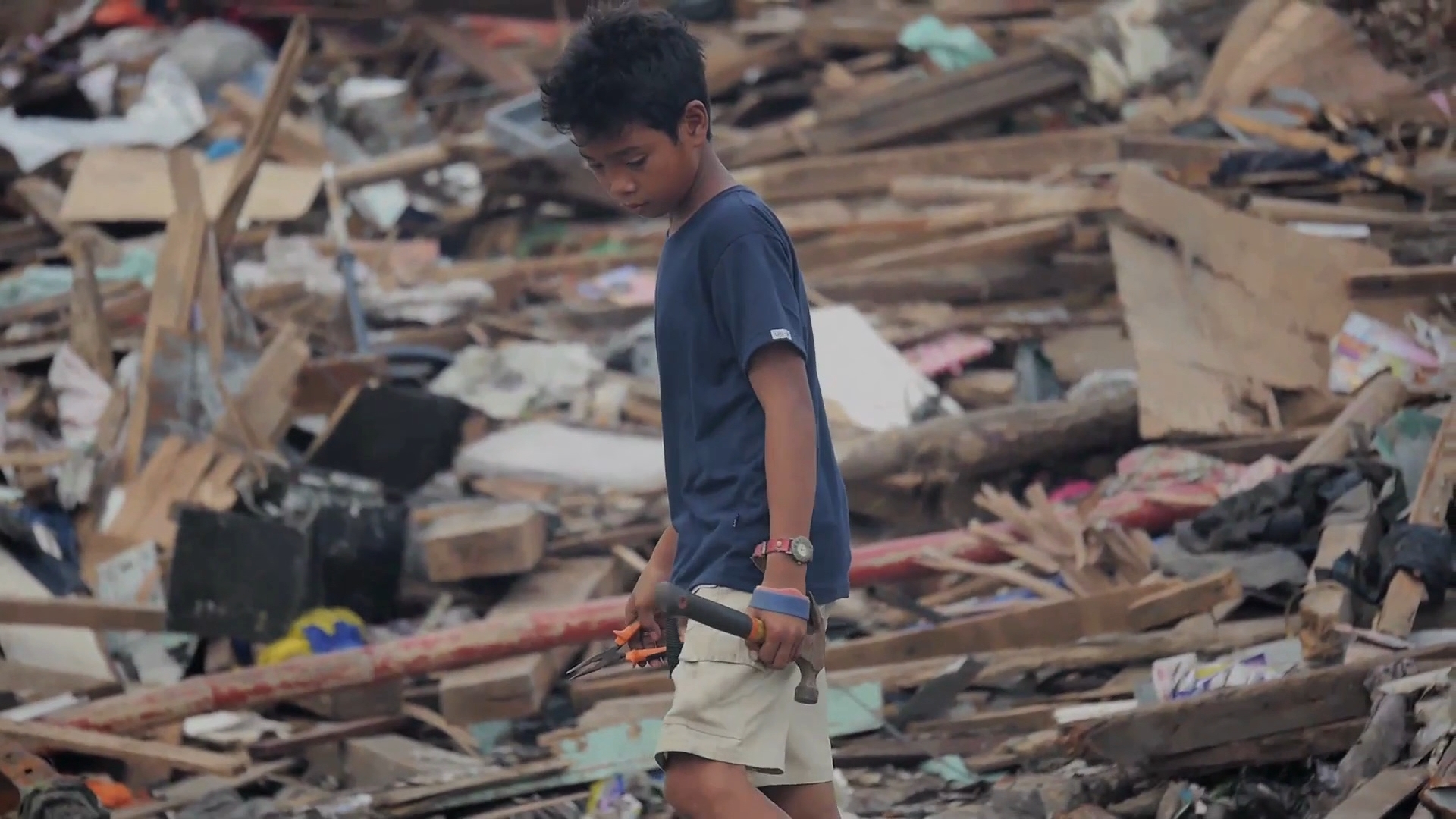
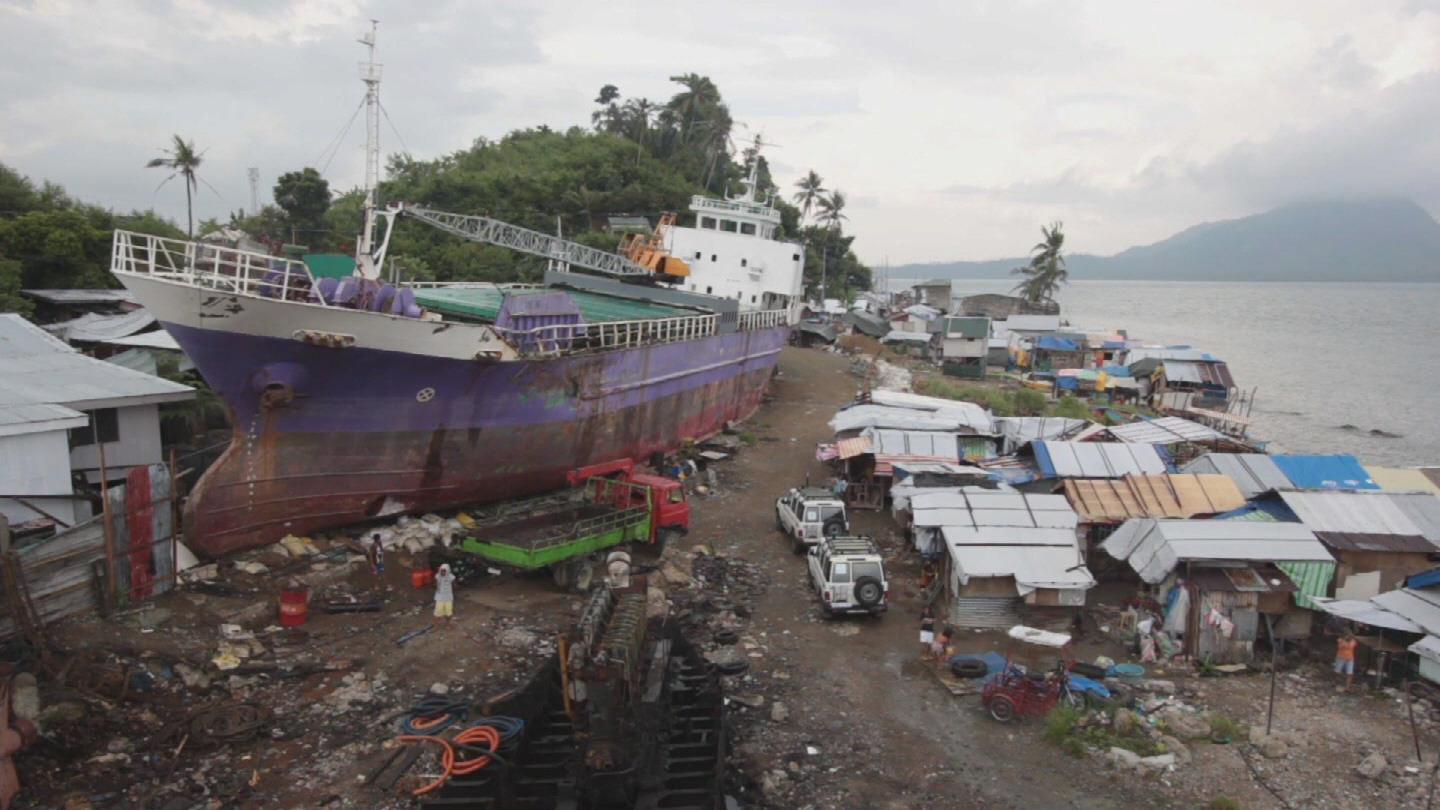
1. Aerial shot, Tacloban city flattened by super typhoon Haiyan
12 NOVEMBER 2013, NEW YORK CITY
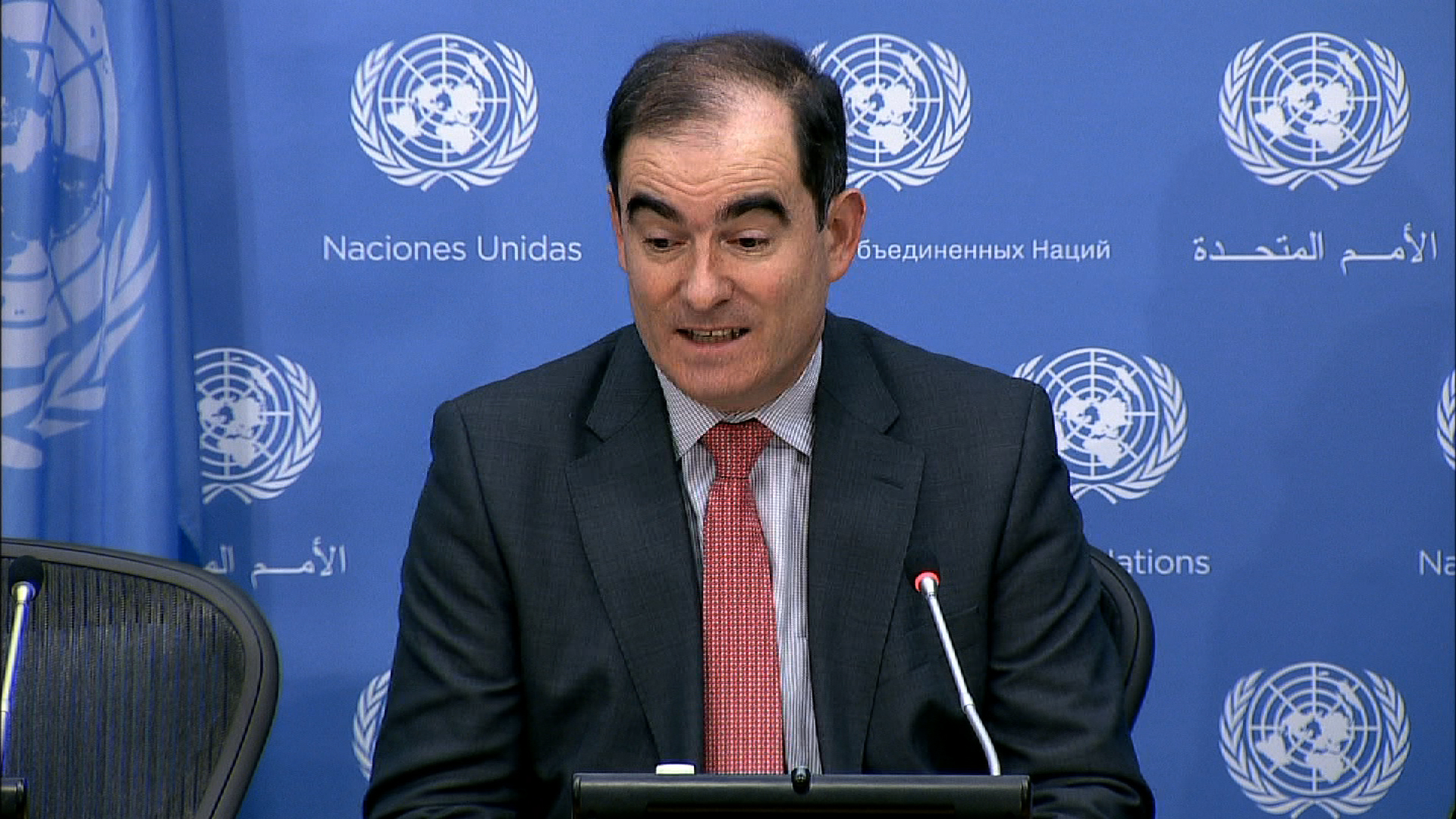
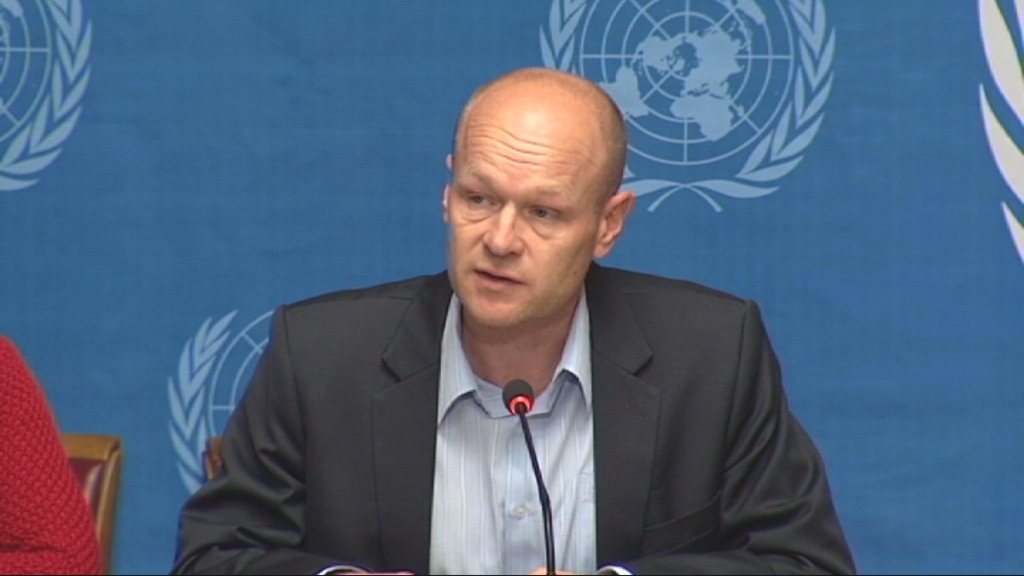
2. SOUNDBITE (English), Ted Chaiban, Director of Emergency Programmes at UNICEF:
“Typhoon Haiyan is one of the most devastating storms to have ever hit the Philippines or anywhere else in the world. We are talking about 9 million people affected, of which 4 million are children, 700,000 people displaced, death toll rising, debris all over the place.”
FILE – WFP - 11 NOVEMBER 2013, TACLOBAN. PHILIPPINES
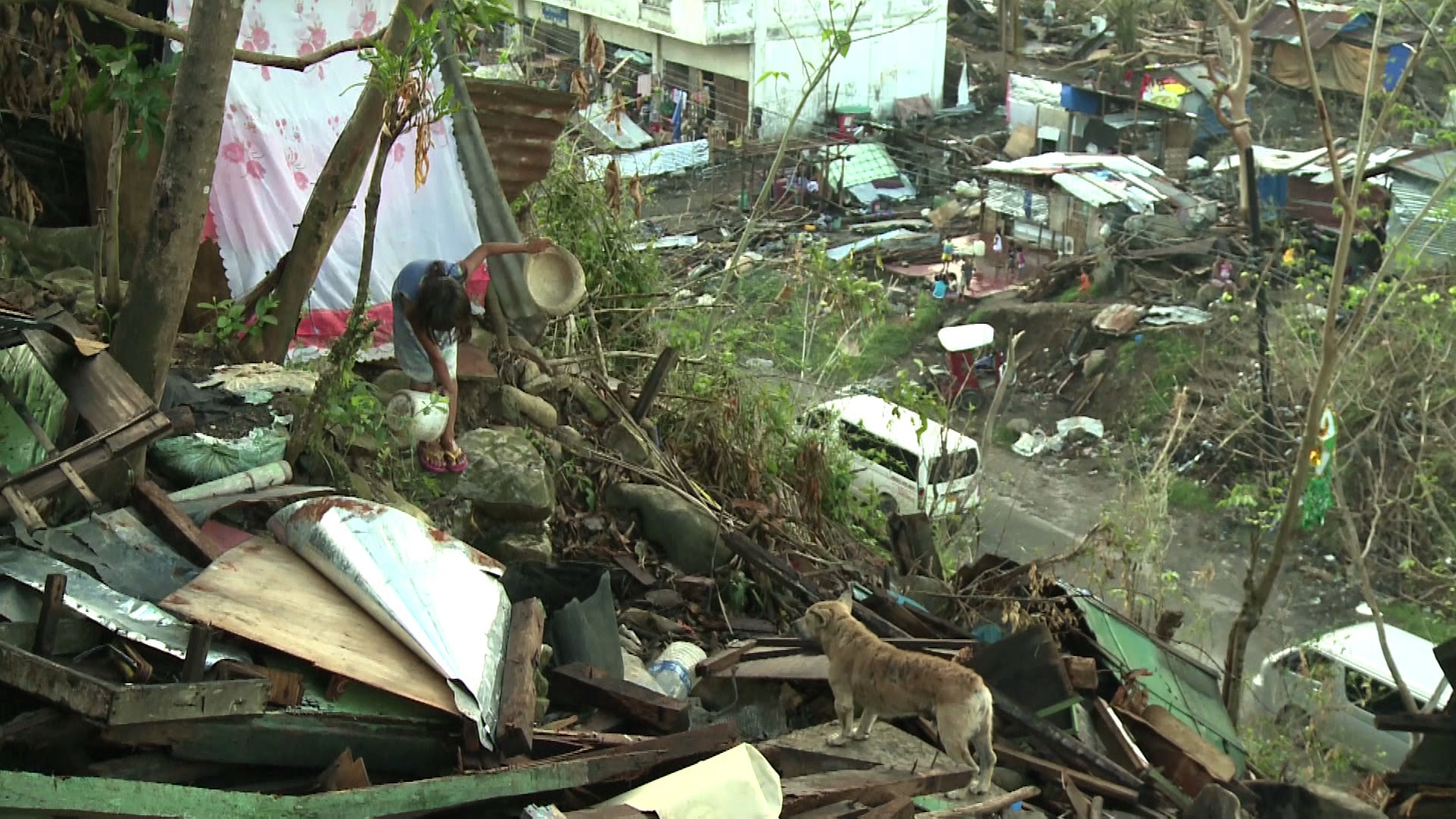
3. Various shots, typhoon destruction
12 NOVEMBER 2013, NEW YORK CITY
4. SOUNDBITE (English), Ted Chaiban, Director of Emergency Programmes at UNICEF:
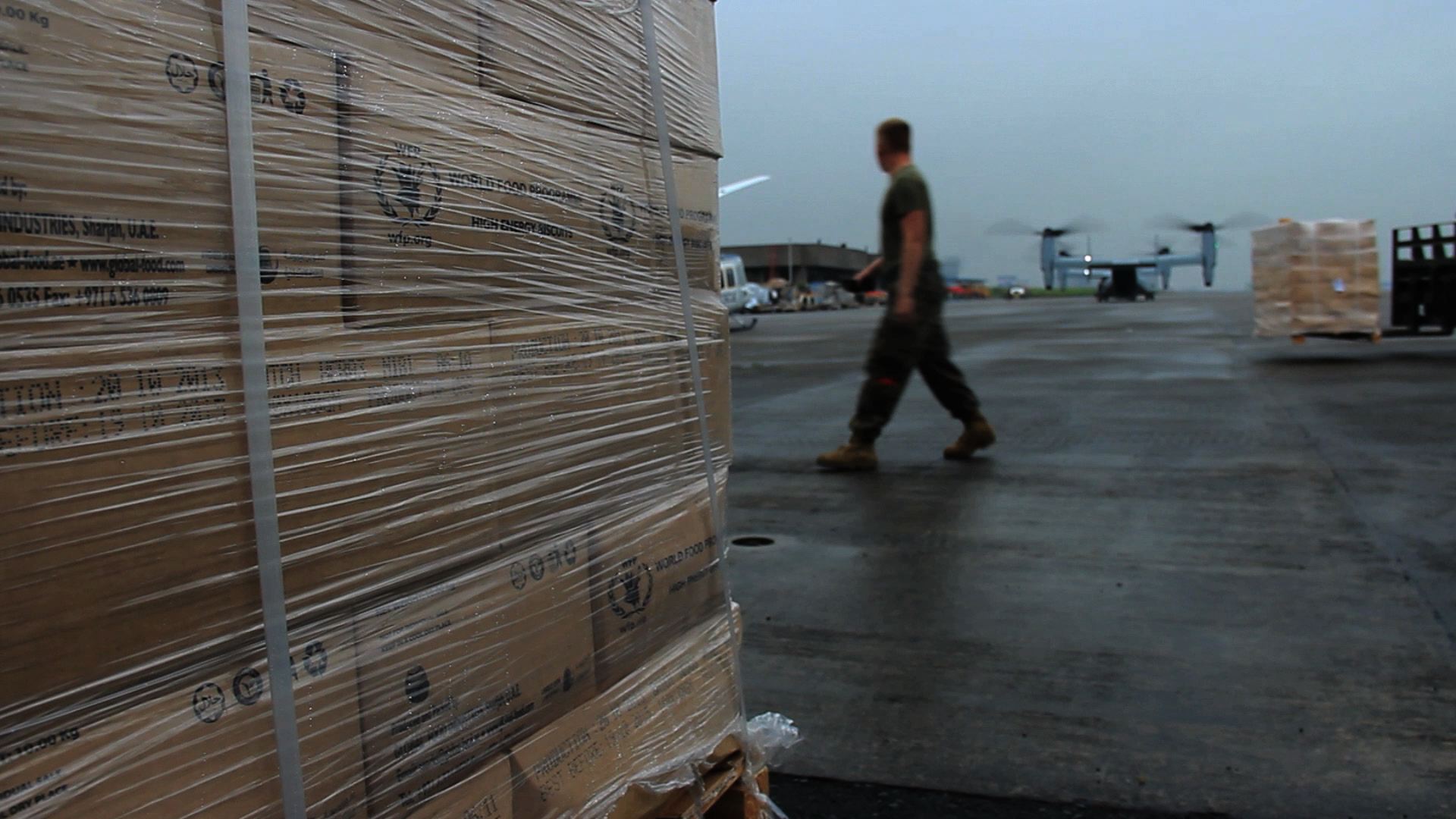
“We have been able to get staff into Tacloban, the capital of Leyte, where there is a working airport. We got through on a C130 and we are re-directing supplies from other parts of the Philippines as well as airlifting supplies - health supplies, wash supplies, recreational kits, into Cebu, on a nearby island and into Leyte itself.”
FILE – WFP - 11 NOVEMBER 2013, TACLOBAN. PHILIPPINES
5. Pan right, military plane taking of Tacloban airport damaged by super typhoon Haiyan
12 NOVEMBER 2013, NEW YORK CITY
6. SOUNDBITE (English), Ted Chaiban, Director of Emergency Programmes at UNICEF:
“The most urgent need today is to deal with water, sanitation and hygiene, making sure that people have access to potable water, through water purification tablets, different systems that can deal with sanitation and small urban settings and generally reaching out in dialogue with the population so that we address sanitation and hygiene. The second need is going to be to prevent disease outbreaks, and making sure that basic health supplies are available to the population.”
FILE – WFP - 11 NOVEMBER 2013, TACLOBAN. PHILIPPINES
7. Travelling shot, destruction
12 NOVEMBER 2013, NEW YORK CITY
8. SOUNDBITE (English), Ted Chaiban, Director of Emergency Programmes at UNICEF:
“UNICEF is there to support the children of the Philippines, to make sure that we don’t forget the children of the Philippines, to work with government and Filipino civil society and sister agencies, to put children at the center of the response and address their immediate needs in a way that increases resilience, reduces vulnerability and looks towards a hopeful future.”
FILE – WFP - 11 NOVEMBER 2013, TACLOBAN. PHILIPPINES
9. Travelling shot, destruction
UNICEF’s Director of Emergency Programmes, Ted Chaiban, today (12 November) said Typhoon Haiyan “is one of the most devastating storms to have ever hit the Philippines or anywhere else in the world” and has affected 9 million people of which 4 million are children.
Chaiban said 700,000 people have been displaced, and the death toll is rising.
UNICEF, he said has been able to get staff into Tacloban, the capital of Leyte, where there is a working airport, and are “re-directing supplies from other parts of the Philippines as well as airlifting supplies - health supplies, wash supplies, recreational kits, into Cebu, on a nearby island and into Leyte itself.”
The Director of Emergency Programmes said “the most urgent need today is to deal with water, sanitation and hygiene, making sure that people have access to potable water, through water purification tablets, different systems that can deal with sanitation and small urban settings and generally reaching out in dialogue with the population so that we address sanitation and hygiene.”
The second need, he said “is going to be to prevent disease outbreaks, and making sure that basic health supplies are available to the population.”
Chaiban stressed that “UNICEF is there to support the children of the Philippines, to make sure that we don’t forget the children of the Philippines, to work with government and Filipino civil society and sister agencies, to put children at the center of the response and address their immediate needs in a way that increases resilience, reduces vulnerability and looks towards a hopeful future.”
Therapeutic food for children, health kits, water and hygiene kits to support up to 3,000 families in the affected areas have already been mobilized from supplies available in the country, with distribution prioritized for the Tacloban area as soon as access is possible.
UNICEF’s warehouse in Copenhagen is airlifting US$1.3 million worth of additional supplies for another 10,000 families, including those affected by the recent earthquake in Bohol. The shipments contain water purification tablets, soap, medical kits, tarpaulins, and micronutrient supplements.