Media Home
 UN Web TV
 UN Audiovisual Library
 UN Photo
UN / RWANDA GENOCIDE KWIBUKA 20
Download
There is no media available to download.
Share
STORY: UN / RWANDA GENOCIDE KWIBUKA 20
TRT: 1.56
SOURCE: UNTV
RESTRICTIONS: NONE
LANGUAGE: ENGLISH / NATS
DATELINE: 27 FEBRUARY 2014, NEW YORK CITY / FILE
RECENT, NEW YORK CITY
1. Wide shot, exterior United Nations Headquarters
27 FEBRUARY 2014, NEW YORK CITY
2. Wide shot, dais
3. Wide shot, conference room
4. SOUNDBITE (English) Ban Ki-moon, United Nations Secretary-General:
“The Rwandan genocide was an epic failure of the international community to take action in the face of atrocity crimes. We have learned important lessons. We know more keenly than ever that genocide is not a single event, but a process that evolves over time and requires planning and resources to carry out. As chilling as that sounds, it also means that with adequate information, mobilization, courage, and political will, genocide can be prevented.”
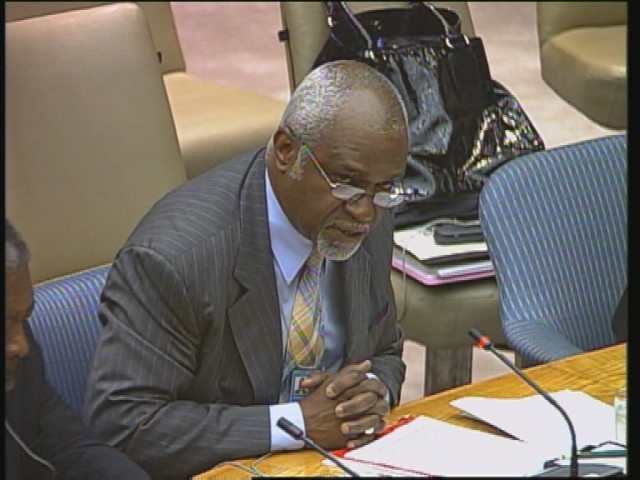
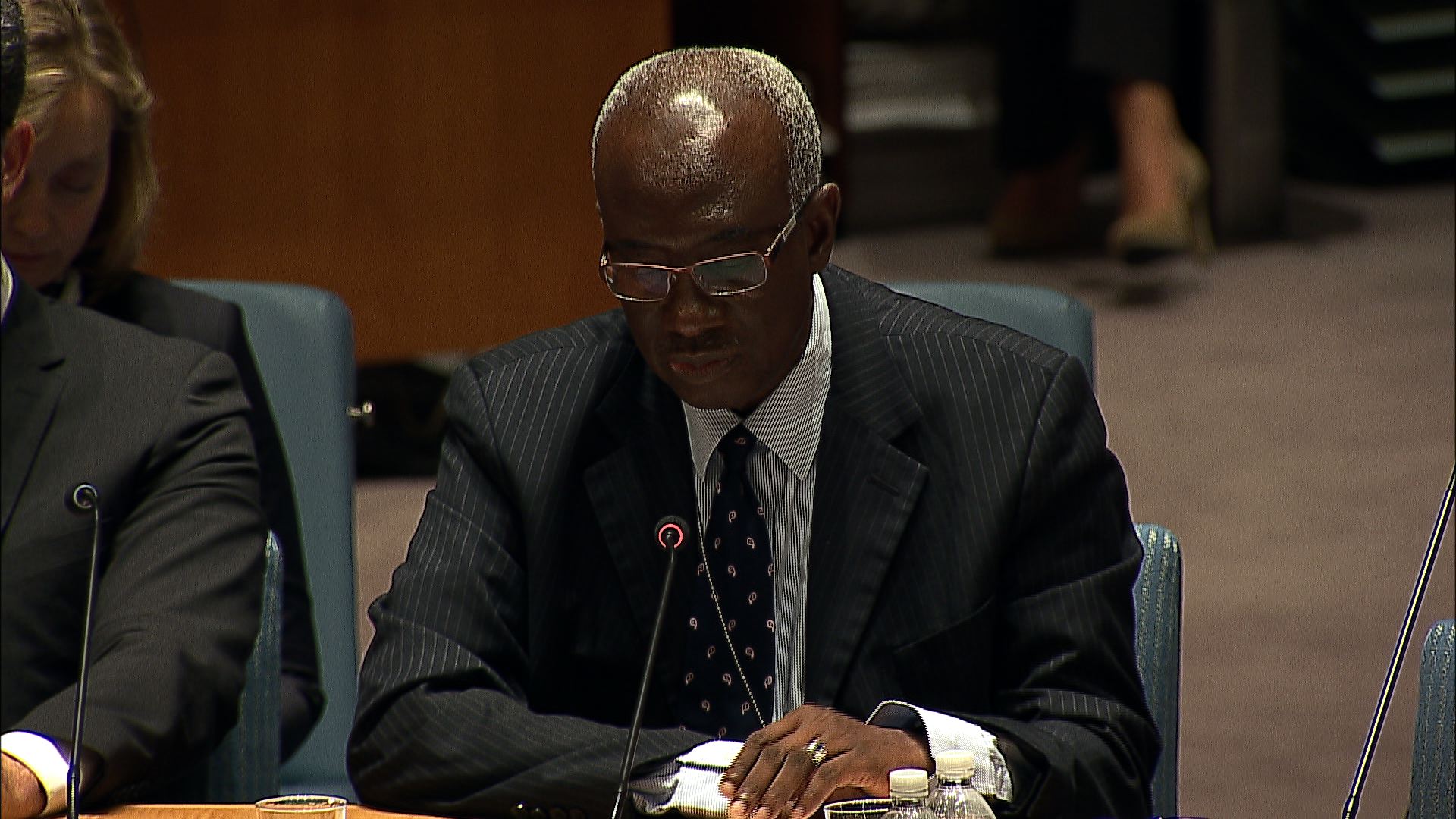
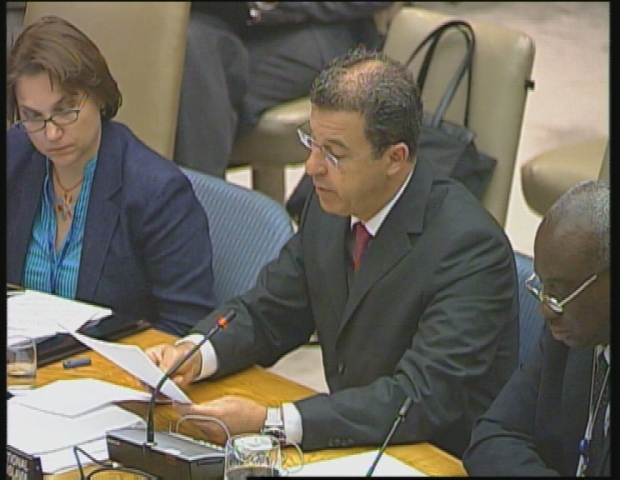
5. Med shot, audience
6. SOUNDBITE (English) Eugène-Richard Gasana, Permanent Representative of Rwanda to the United Nations:
“We unite because we proclaimed never again and not in my name. We unite to turn a dark page in our history and to shape a bright future for next generations. We unite to restore our dignity and to build all together a country free of genocide, mass atrocities and discrimination and hate. And we unite because we want to show the world that reconciliation and brotherhood are the only viable path to stability and prosperity.”
7. Med shot, audience
8. SOUNDBITE (English) Eugène-Richard Gasana, Permanent Representative of Rwanda to the United Nations:
“We cannot turn the clock back nor can we undo the harm caused, but we have the power, we have the power to determine the future and to ensure that what happened never happens again.”
9. Pan left, audience
Ahead of the twentieth anniversary of the genocide in Rwanda, Secretary-General Ban Ki-moon today (27 Feb) honoured the launch of “Kwibuka 20,” a series of events commemorating the tragedy, and urged the international community to do more to fully internalize and implement the lessons learned from the killings of 800,000 people in 1994.
Ban, ahead of the official observance of the Day on 7 April, said the Rwandan genocide “was an epic failure of the international community to take action in the face of atrocity crimes.”
He pointed out that “important lessons” were learned from the Rwandan genocide and “we know more keenly than ever that genocide is not a single event, but a process that evolves over time and requires planning and resources to carry out.”
He added that “as chilling as that sounds, it also means that with adequate information, mobilization, courage, and political will, genocide can be prevented.”
The audience included President of the General Assembly John Ashe, Eugene-Richard Gasana who is the Rwandan Minister in Charge of Cooperation and Permanent Representative to the UN, and Jean-Baptiste Rudatsikira, President of the Rwandan Community in New York, New Jersey and Connecticut.
Ambassador Gasana said Rwandans were now united, “we unite because we proclaimed never again and not in my name. We unite to turn a dark page in our history and to shape a bright future for next generations. We unite to restore our dignity and to build all together a country free of genocide, mass atrocities and discrimination and hate. And we unite because we want to show the world that reconciliation and brotherhood are the only viable path to stability and prosperity. ”
Quoting Rwandan President Paul Kagame, he said “we cannot turn the clock back nor can we undo the harm caused, but we have the power, we have the power to determine the future and to ensure that what happened never happens again.”
The theme for Kwibuka 20 is “Remember, Unite, Renew,” aiming to remember the people murdered in Rwanda, draw inspiration from the ability of the Rwandan people to unite and reconcile, and marvel at their determination to renew their country.