Media Home
 UN Web TV
 UN Audiovisual Library
 UN Photo
GENEVA / GUINEA EBOLA
Download
There is no media available to download.
Share
STORY: GENEVA / GUINEA EBOLA
TRT: 2:39
SOURCE: CH UNTV
RESTRICTIONS: NONE
LANGUAGE: ENGLISH/NATS
DATELINE: 1 APRIL 2014, GENEVA, SWITZERLAND,
1.Exterior Palais des Nations
2. SOUNDBITE (English) Gregory Hartl, WHO spokesman:
"So in terms of size of ebola outbreaks, there have been a couple of outbreaks at least, which have been larger than this one. Say Kitwit, and in Uganda, and another one in DRC, so this is quite, relatively small still. The biggest outbreak has been over 400 cases and it is also not the first time we have seen cases in a capital city. In Gabon, in the 1990's, I believe, there were cases in Libreville...the same idea, where someone basically was infected elsewhere and got him or herself to Libreville because of medical facilities being better in the capital than elsewhere."
4. Cutaway, journalists
5. SOUNDBITE (English) Gregory Hartl, WHO spokesman:
"Finding the index case is not a priority. In an outbreak, the priority is stopping the chain of transmission and tracing contacts. Afterwards, we can go back and try to find index cases."
6. Cutaway, journalists
7. SOUNDBITE (English) Gregory Hartl, WHO spokesman:
"What the outbreak is and what we are dealing with is, is limited foci and limited geographical area and only a few chains of transmission. For the moment, we speak of this as an outbreak. Ebola outbreaks are always of very high concern. Ebola outbreaks can never be considered under control until 42 days have passed since the last case."
8. Cutaway, presser
9. SOUNDBITE (English) Gregory Hartl, WHO spokesman:
"This is serious. What I am emphasizing is that the epidemiology of this outbreak is the same as in previous outbreaks. It is a question of controlling infectons in hospital, it’s a question of controlling transmission among the people, who have been infected, and don't know yet that they have been infected and are not in hospitals. These are the two most important things we are trying to do in hospitals, and how we trace contacts."
10. Cutaway, journalists
11. SOUNDBITE (English) Gregory Hartl, WHO spokesman:
"WHO does not recommend any travel or trade restrictions. They don't make public health sense."
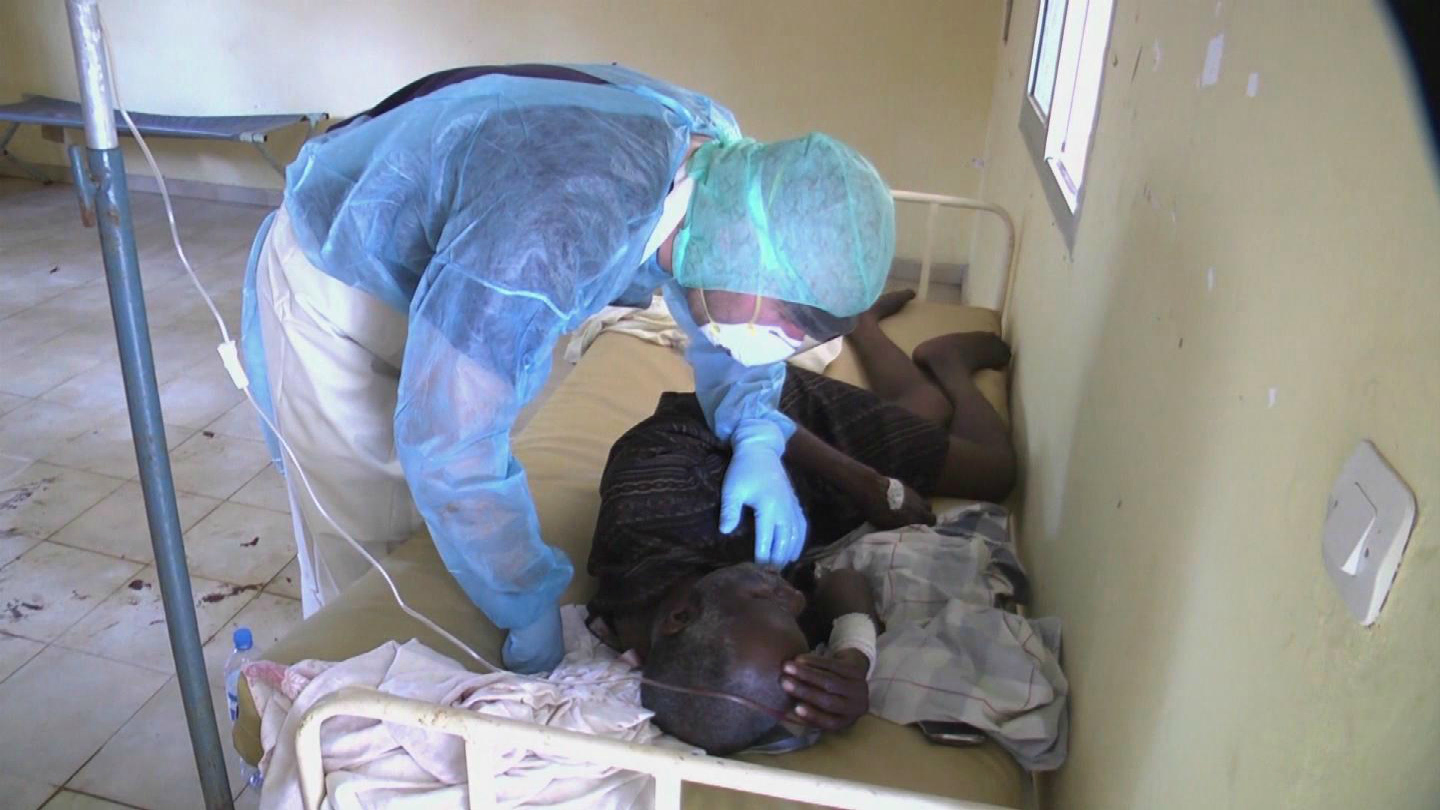
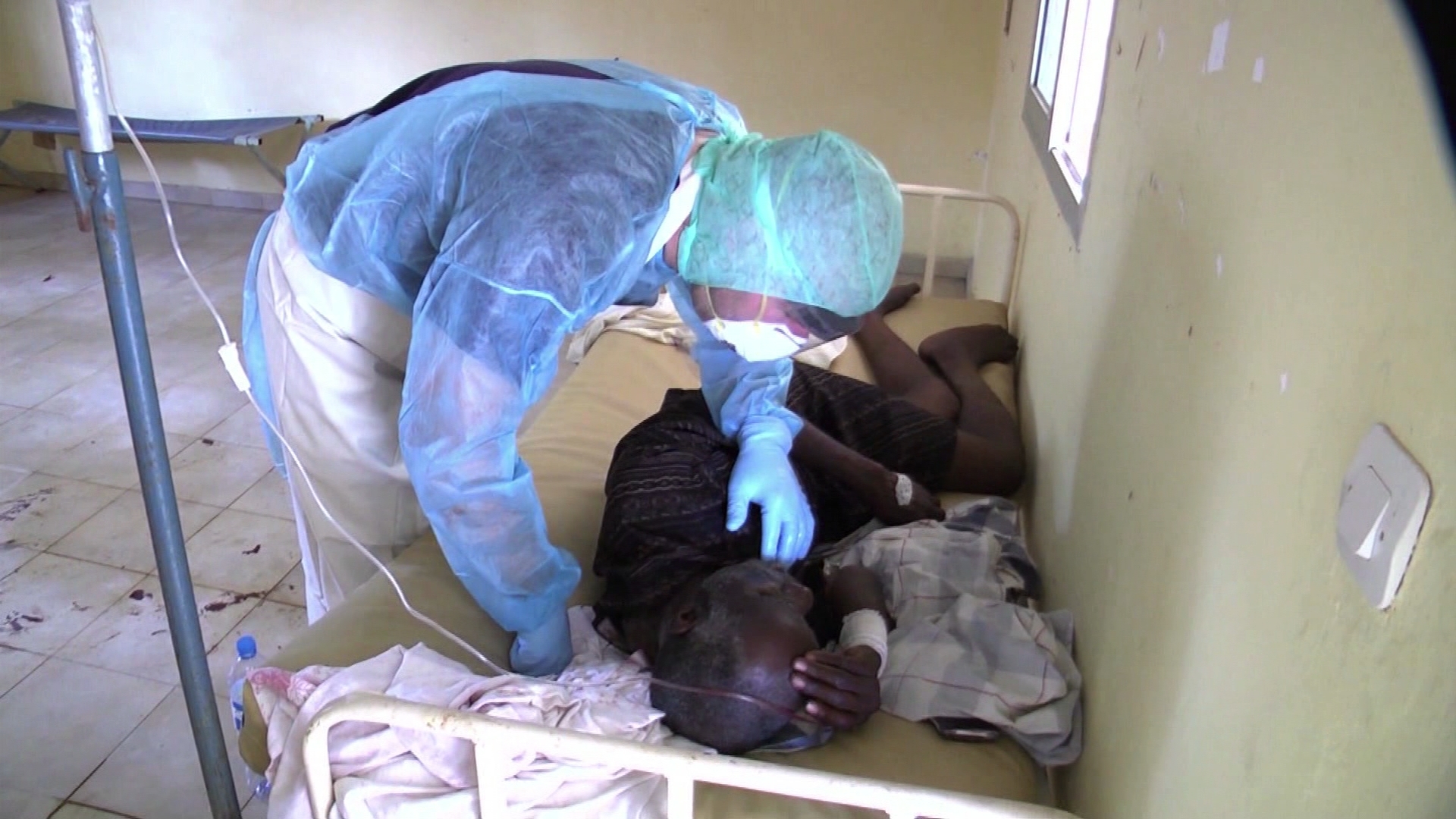
The World Health Organization says while the Ebola outbreak in Guinea is serious, it is relatively small so far in comparison with earlier outbreaks of the disease.
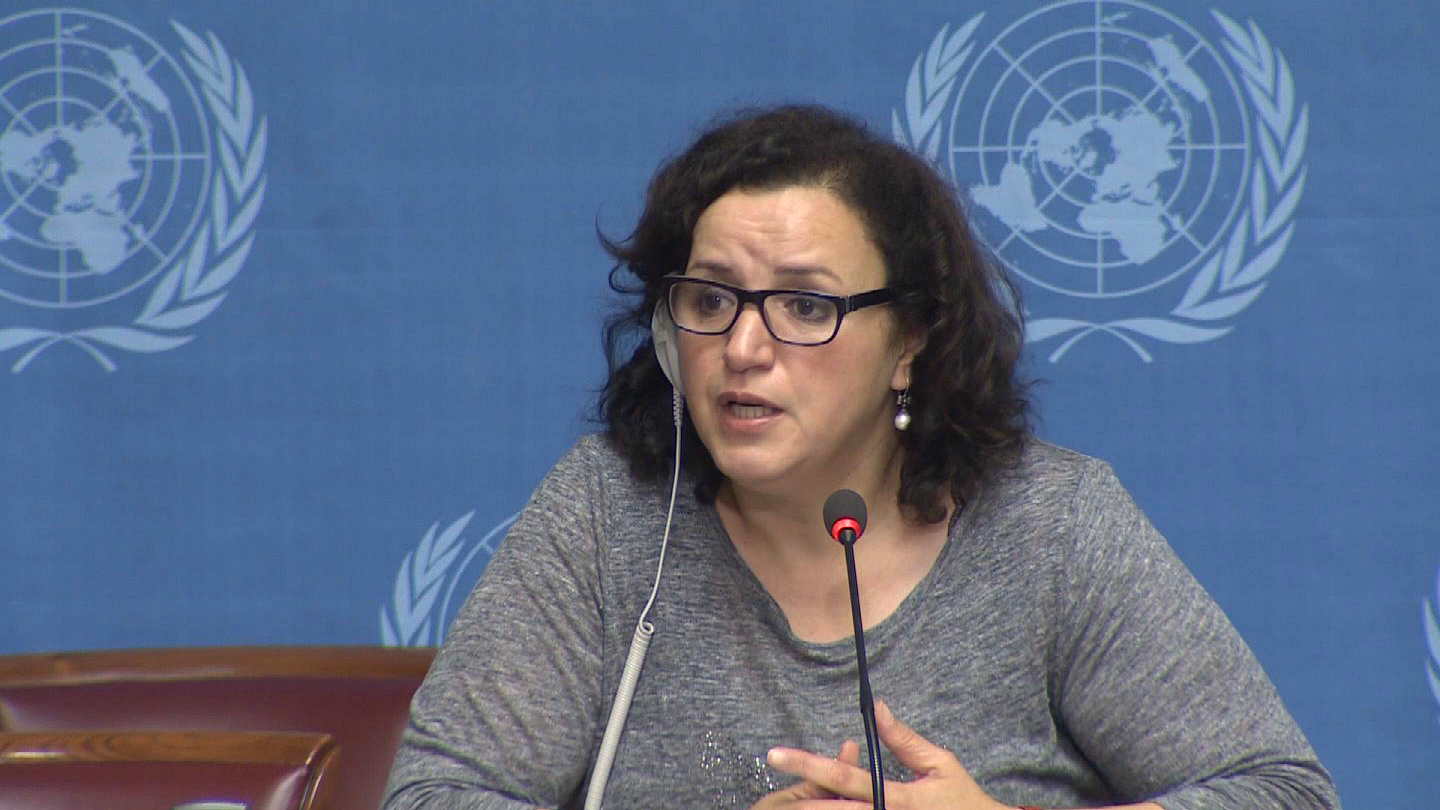
WHO spokesman Gregory Hartl told journalists in Geneva today (1 Apr) that as of Monday, there were 122 suspected and confirmed cases of the disease in Guinea of whom 80 had died, seven suspected and confirmed cases in neighbouring Liberia of whom four people had died and no confirmed cases in Sierra Leone.
He said "it's relatively small, still.”
Hartl reminded that the biggest outbreak involved more than four hundred cases.
The WHO Spokesman stressed that all Ebola outbreaks cause very high concern. He described the current situation as "serious"; adding in "what we are dealing with is limited foci and limited geographical area."
He also said that it was not the first time, the disease normally seen in rural and forested areas had been seen in a capital city, where infected people seek better medical attention.
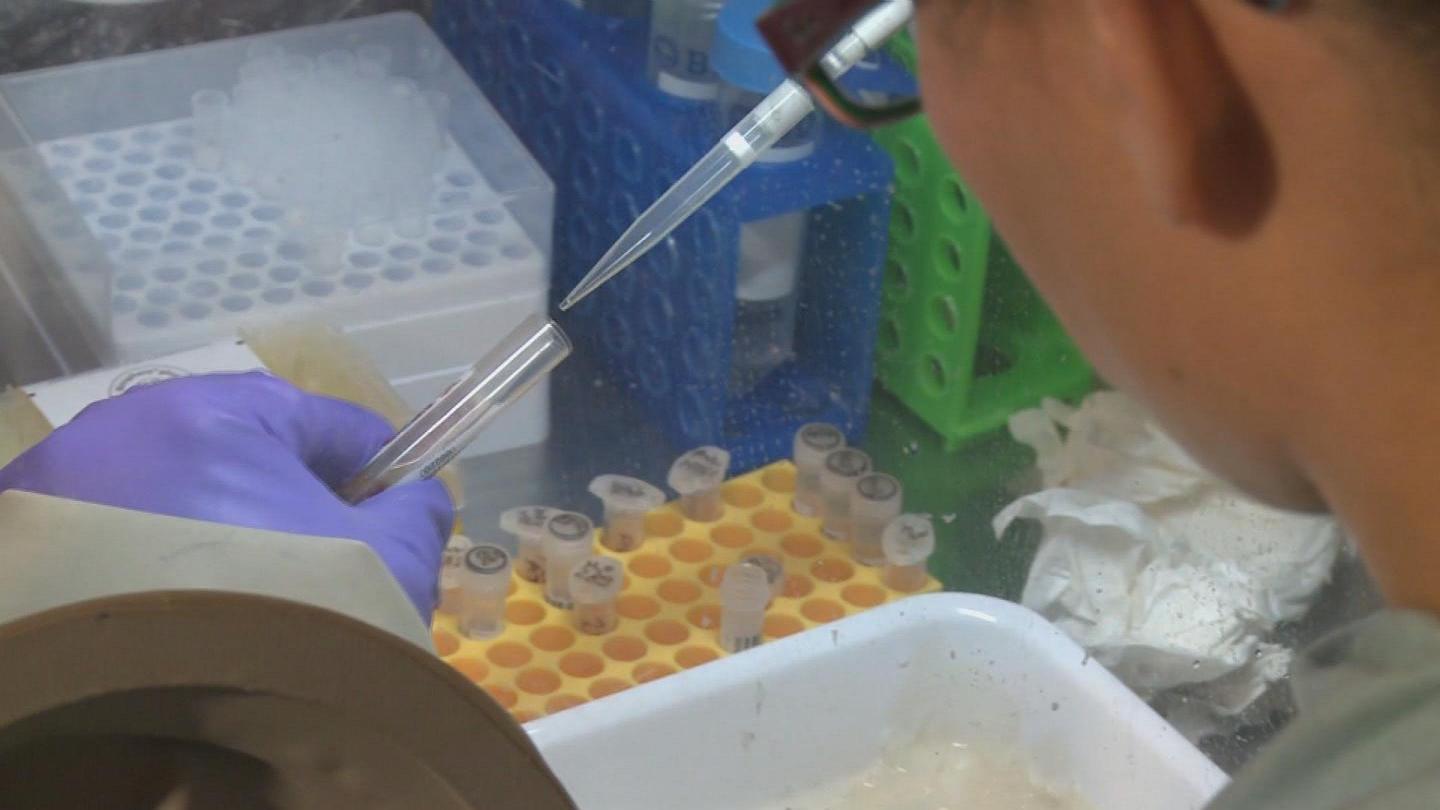
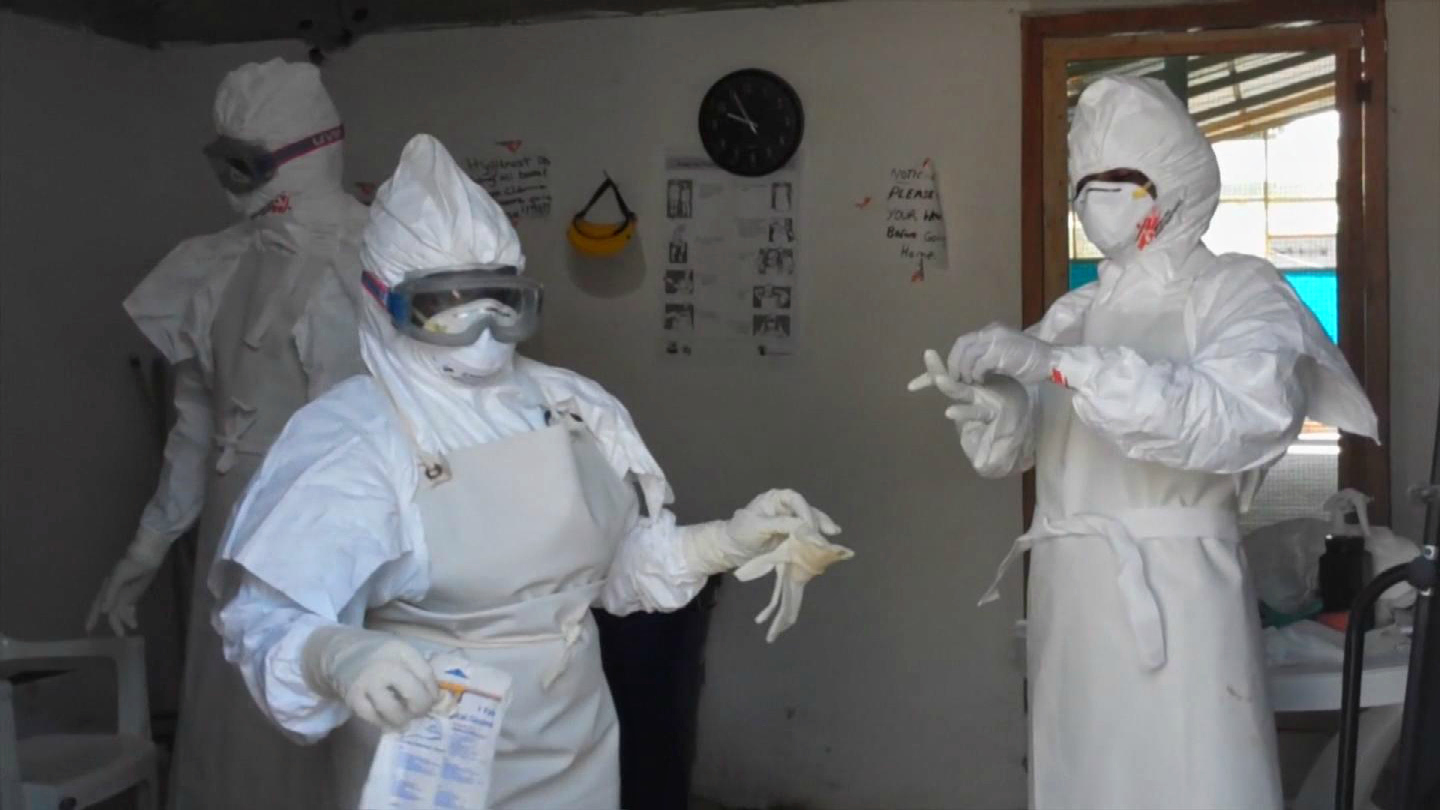
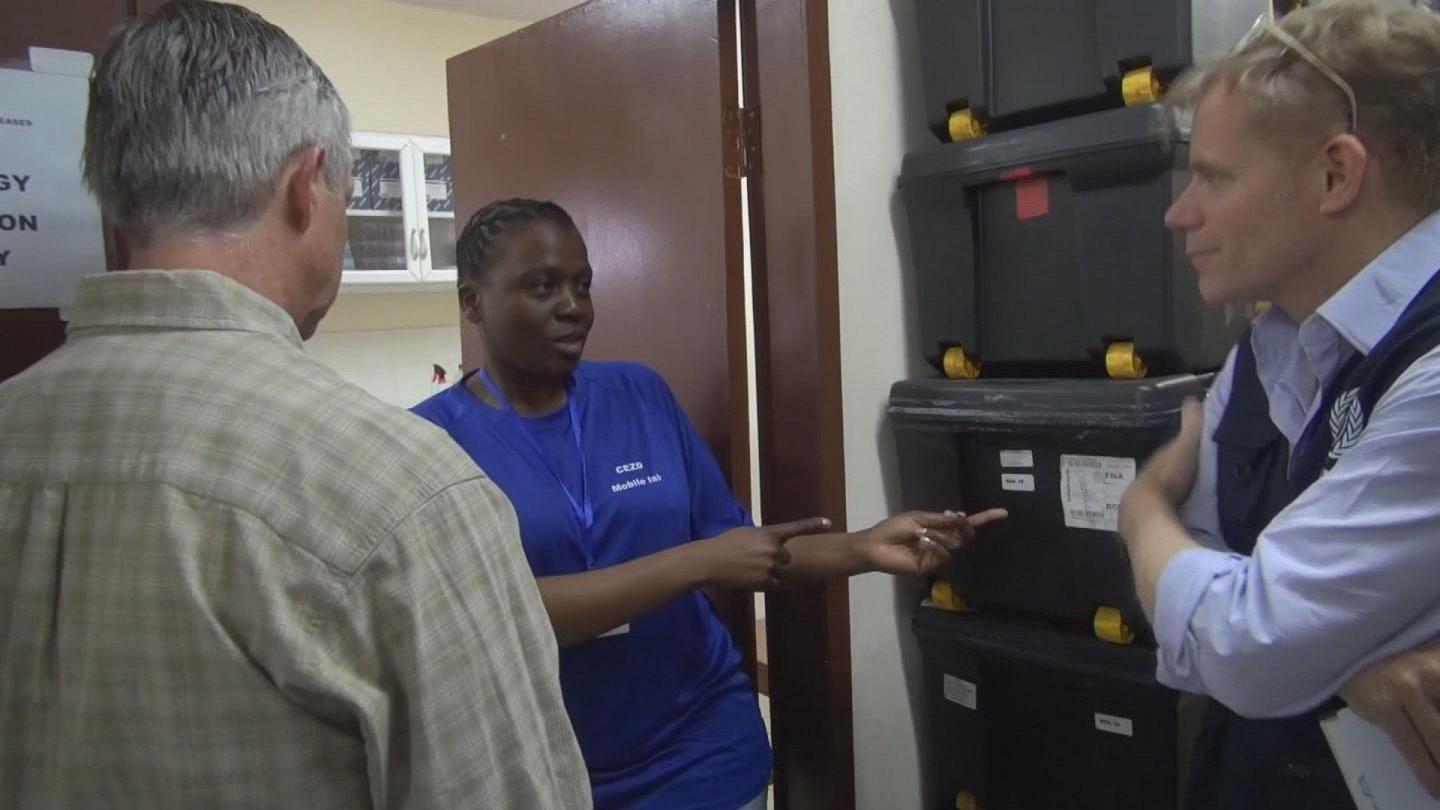
WHO has sent medical teams, supplies and equipment to Guinea and was working with the local authorities and NGO's including Doctors Without Borders to prevent the spread of the disease.
Asked about travel restrictions to the area, Hartl said WHO does not recommend travel or trade restrictions. They don't make public health sense.