Media Home
 UN Web TV
 UN Audiovisual Library
 UN Photo
UN / RWANDA GENOCIDE
Download
There is no media available to download.
Share
STORY: UN / RWANDA GENOCIDE
TRT: 3.26
SOURCE: UNTV
RESTRICTIONS: NONE
LANGUAGE: ENGLISH /NATS
DATELINE: 16 APRIL 2014, NEW YORK CITY / FILE
FILE
1. Exterior shot, UN Headquarters
16 APRIL 2014, NEW YORK CITY
2. Zoom in, Ban and reps lighting candles
3. UPSOUND (English), moderator:
“Our thoughts go to the victims of genocide and to the countless people who still suffer from the consequences of this tragedy. Including the children, now grownup, which were left orphaned, the widows and the thousands of victims of sexual violence. We pay our deepest respect to them all.”
4. Pan left, minute of silence
5. SOUNDBITE (English), Ban Ki-moon, the UN Secretary-General:
“Last week in Kigali, I said that the UN could have done more. We should have done more. We have pledged “never again” again and again. But this world is still divided. And yet, I draw profound inspiration from the people of Rwanda – from the survivors’ ability to show how reconciliation is possible even after such a monumental tragedy.”
6. Cutaway, candles
7. SOUNDBITE (English), Ban Ki-moon, the UN Secretary-General:
“Since genocide takes careful planning, we must be vigilant for the early warning signs of human rights violations that lead to wider conflict and mass atrocities, and even before that help societies build the rule of law, trustworthy institutions, peaceful channels for the resolution of disputes and the management of diversity.”
8. Wide shot, meeting room
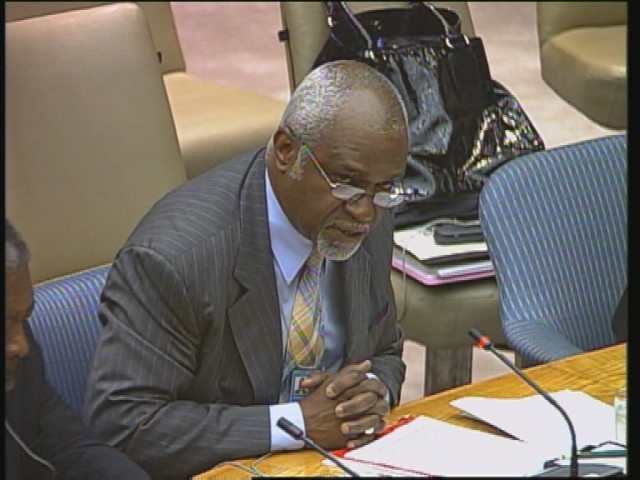
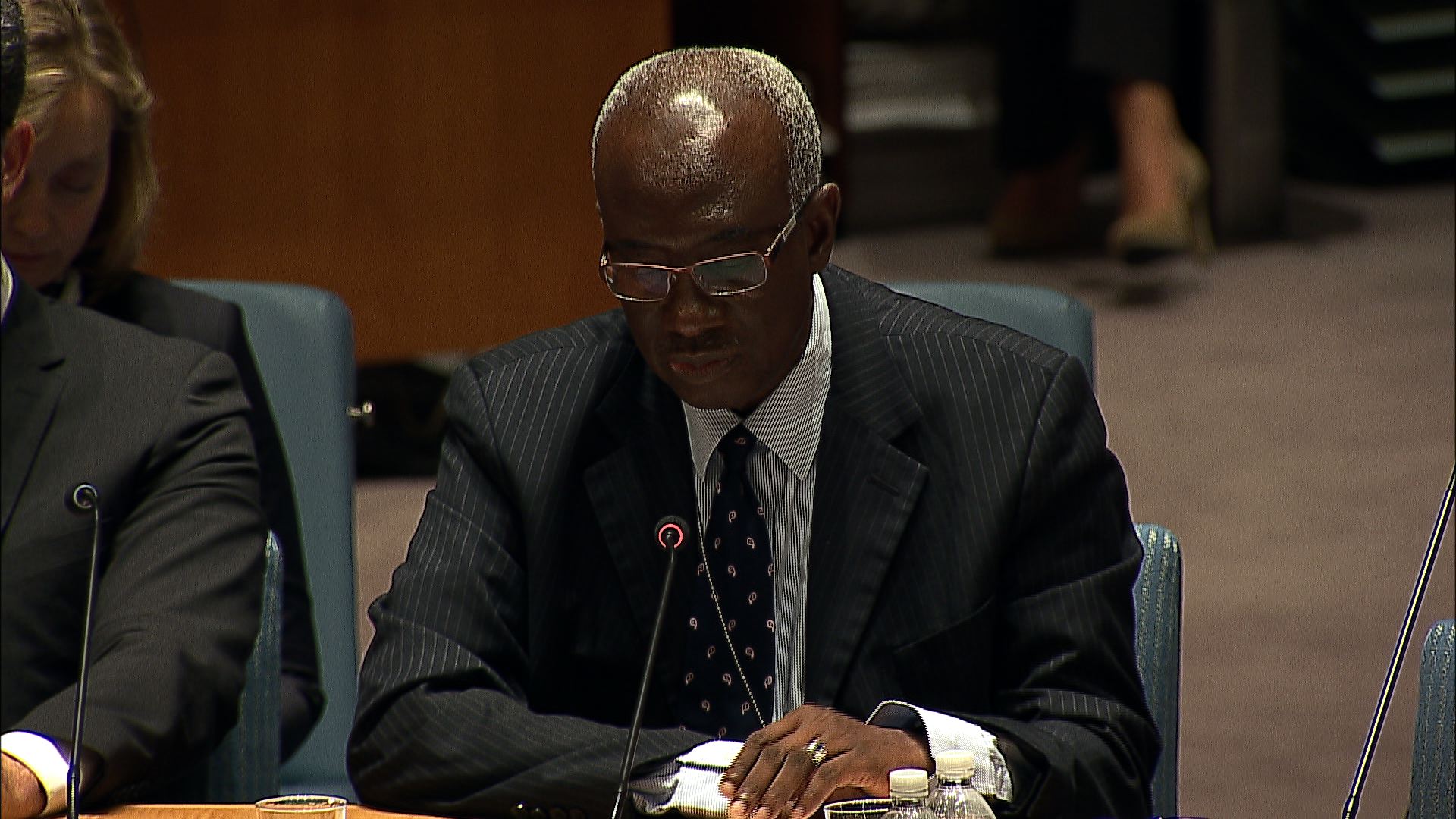
9. SOUNDBITE (English), Eugene-Richard Gasana, Permanent Representative of Rwanda to the UN:
“Each year we continue to choose to visit this painful past to offer support and comfort to all survivors. Each year, we also renew our efforts as Rwandans to preserve our young generations from future atrocities.”
10. Med shot, podium
11. SOUNDBITE (English), Samantha Power, Permanent Representative of USA to the UN:
“Our sorrow is magnified by the knowledge that the Rwandan genocide was neither inevitable nor unforeseeable, nor unstoppable. Because the hate was not resisted quickly and forcefully enough, more than 800 000 men, women and children were killed. Every day, perpetrators, murderers were deciding how far they would go, and we failed to affect their calculus.”
12. Cutaway, photographer
ARCHIVE – UNTV – 1994, RWANDA
13. Tracking shot, UN vehicle drives by a dead body on the road
14. Various shots, dead bodies at the bottom of a waterfall
15. Wide shot, thousands of displaced people marching towards Tanzania
16. Wide shot, refugee camp
17. Close up, baby eating
18. Med shot, injured man
19. Close up, soldiers walk past skull on the ground
20. Pan left, from official at the doorway to piles of dead bodies
21. Close up, skull
Marking 20 years since the genocide in Rwanda took place, the UN Secretary-General Ban Ki-moon and other high representatives started the ceremony by lighting candles to remember “the countless people who still suffer from the consequences of this tragedy.”
20 years after 800 000 Tutsis and moderate Hutus were killed within 100 days by Hutu militia, the UN Secretary-General Ban Ki-moon said that UN could have and should have done more to stop the genocide in Rwanda.
“We have pledged “never again” again and again. But this world is still divided. And yet, I draw profound inspiration from the people of Rwanda – from the survivors’ ability to show how reconciliation is possible even after such a monumental tragedy.” – added Ban.
Ban also said that the international community needs to be watchful for early signs of genocide preparation and build institutions for peaceful conflict resolution.
“Since genocide takes careful planning, we must be vigilant for the early warning signs of human rights violations that lead to wider conflict and mass atrocities, and even before that help societies build the rule of law, trustworthy institutions, peaceful channels for the resolution of disputes and the management of diversity.” – said Ban.
Eugene-Richard Gasana, Permanent Representative of Rwanda to the UN, said that as painful it is, remembering the past will keep the future generations of Rwandans safe from potential new atrocities.
“Each year we continue to choose to visit this painful past to offer support and comfort to all survivors. Each year, we also renew our efforts as Rwandans to preserve our young generations from future atrocities.” – said Gasana.
Samantha Power, the US Ambassador to the UN, said that the international community had failed to stop the murderers.
“Our sorrow is magnified by the knowledge that the Rwandan genocide was neither inevitable nor unforeseeable, nor unstoppable. Because the hate was not resisted quickly and forcefully enough, more than 800 000 men, women and children were killed. Every day, perpetrators, murderers were deciding how far they would go, and we failed to affect their calculus.” – said Power.
As a part of the UN efforts to prevent genocide the Secretary-General has launched last year “Rights up Front” Action Plan to strengthen the Organization’s ability to prevent large-scale violations of human rights, including the imperative for an early response to the risk of mass atrocities and the realization that prevention is a common responsibility of the entire UN system.
“Rights up Front” is framed in terms of the protection of human rights, but it also includes the task of protection of civilians. In this context, the importance of preventive efforts is consistently emphasized.
Another central aspect of the Rights up Front Action Plan is better organizational preparedness by the UN. The Secretariat, Funds and Programmes are to ensure that the UN System, both on the ground and at HQ, is appropriately prepared – early on – to deal with evolving crisis situations.